

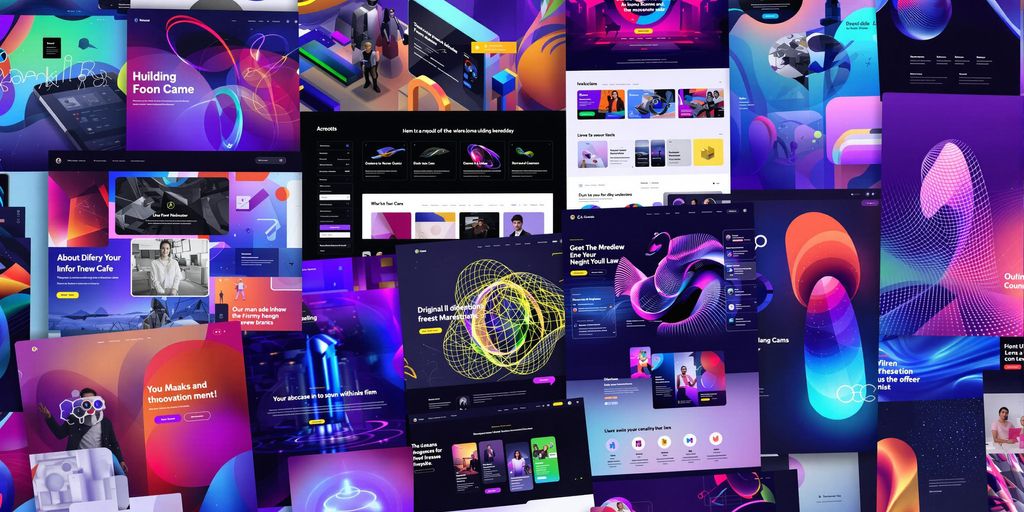
So, the year 2025 is almost here, and things in the web design world are really starting to heat up. It feels like every other day there’s a new trend popping up, promising to make websites look cooler and work better. We’ve seen stuff like super bold fonts and dark modes become really popular, and now there’s talk about 3D elements and even AI changing how we build websites. It’s a lot to keep track of, honestly. This article is going to break down some of the big shifts happening in web design, looking at what’s new, what tools people are using, and some of the techniques that are making a difference. Basically, we’re trying to figure out what’s going to make websites stand out in the coming year.
Key Takeaways
- Web design in 2025 is leaning into bolder choices, like experimental typography and immersive 3D elements, to grab user attention.
- User experience remains a top priority, with a focus on making sites easy to use and accessible across all devices, often through minimalist approaches.
- Artificial intelligence is becoming a bigger player, helping with things like personalizing content and automating parts of the design process.
- Sustainability and eco-friendly design principles are gaining traction, influencing choices in color palettes and site structure. Balancing creative flair with usability also means incorporating SEO-optimized design practices so search engines can crawl and rank your site effectively.
- Animation and interactive features, from small micro-interactions to more complex page transitions, are key for keeping users engaged.
Embracing Boldness and Innovation in Web Design
Get ready to shake things up in 2025 because web design is getting bolder and more experimental. We’re moving past the safe and predictable, and designers are really pushing the envelope to create sites that grab your attention and stick with you. It’s all about making a statement and offering a fresh visual experience.
Bold and Experimental Typography
Typography is no longer just about readability; it’s a major design element. Expect to see oversized fonts, unique font pairings, and even custom lettering that adds personality and flair. This trend uses type as a visual art form, making headlines pop and content more engaging. Think bold serifs, playful sans-serifs, and creative layouts that break traditional rules. It’s a great way to make your brand’s voice heard loud and clear.
Dark Mode Design
Dark mode continues its reign, and for good reason. It’s not just a cool aesthetic; it’s easier on the eyes, especially in low light, and can even save battery on certain screens. Websites are offering users the choice to switch between light and dark themes, giving them control over their viewing experience. This feature adds a touch of sophistication and can make your content feel more focused and dramatic.
3D and Immersive Elements
Prepare to be amazed as 3D graphics and interactive elements become more common. These aren’t just flashy additions; they create a sense of depth and realism that pulls users into the website. From animated product showcases to interactive environments, these elements make browsing feel more like an experience. It’s about making digital spaces feel more tangible and engaging, blurring the lines between the online and physical worlds.
The Rise of User-Centric and Sustainable Web Design
In 2025, the web design landscape is really shifting towards putting the user first and thinking about our planet. It’s not just about looking good anymore; it’s about how people interact with your site and the impact it has. Making things easy and intuitive for visitors is the main goal.
User-Centric Web Design
This is all about making sure your website is super easy and pleasant to use. Think about how people actually move around online. They want things fast and clear. This means:
- Clear Navigation: Make it simple for users to find what they need. No one likes getting lost on a website.
- Mobile-First Approach: Most people browse on their phones, so design for that first. Everything needs to work well on smaller screens.
- Interactive Elements: Adding little touches that respond to user actions can make a big difference in keeping people engaged.
- Accessibility: Design for everyone. This includes things like good color contrast and making sure screen readers can understand your content.
Websites that prioritize the user experience tend to keep visitors longer and encourage them to come back. It’s about building a positive relationship.
Sustainability and Eco-Friendly Design
More and more, people are aware of environmental issues, and they expect businesses to be too. Sustainable web design is about reducing the digital footprint of your website. This can involve:
- Optimizing Images: Using the right file formats and sizes makes pages load faster and uses less energy.
- Leaner Code: Writing efficient code means the website requires less processing power to run.
- Energy-Efficient Hosting: Choosing hosting providers that use renewable energy sources is a big plus.
This trend is about being responsible and showing that your brand cares about more than just profits. It’s a way to connect with a growing audience that values environmental consciousness.
Abstract and Organic Shapes
Moving away from rigid, geometric designs, we’re seeing a rise in abstract and organic shapes. These softer, more fluid forms can make a website feel more natural and approachable. Think flowing lines, irregular blobs, and hand-drawn elements. They add a unique visual flair without being overly distracting, contributing to a more human and less corporate feel. This style can really help a site stand out.
Leveraging Artificial Intelligence in Web Design
Artificial intelligence isn’t just a buzzword anymore; it’s actively reshaping how we build and experience websites. For 2025, expect AI to move from a helpful assistant to a core component in many design workflows. It’s about making things smarter, faster, and more personal for everyone who visits a site.
AI-Powered Personalization
This is where AI really shines. Instead of a one-size-fits-all approach, AI can analyze user data in real-time to tailor the experience. Think personalized content recommendations, dynamic layout adjustments, or even product suggestions that actually make sense for the individual user. It’s like having a personal shopper or guide for every visitor. This level of customization can really make a difference in keeping people engaged and coming back. We’re seeing tools that help designers explore AI tools for designers to achieve this.
Automated Layout Generation
Remember spending hours fiddling with layouts? AI is here to speed that up. Machine learning models can now generate functional, good-looking, and even SEO-optimized design templates. This doesn’t mean designers are out of a job; it means they can skip the tedious parts and focus on the creative refinement and unique touches. It’s a way to get a solid foundation down quickly, letting designers concentrate on what makes a site truly stand out. To bring these cutting-edge visuals and interactions to life, it helps to understand the underlying front-end and back-end development basics that make them work smoothly together.
Chatbot Integration
Chatbots have gotten a lot smarter. They’re not just for basic FAQs anymore. With better natural language processing, AI chatbots can handle complex questions, offer detailed solutions, and provide a much smoother customer service experience. For e-commerce sites, this means better product recommendations and quicker support, which can lead to happier customers and more sales. It’s about making interactions feel more natural and helpful.
Future-Forward Web Design Concepts
Looking ahead, web design is really starting to get interesting. We’re talking about stuff that feels like it’s straight out of science fiction, but it’s actually becoming reality. The focus is shifting towards making digital experiences feel more real and more intuitive, almost like interacting with the physical world.
Enhanced AI Integration
AI is going to do more than just suggest products or change layouts. Imagine websites that actually learn from you in real-time. A news site might rearrange its stories based on what you’re reading right now, or an educational platform could adjust its lessons based on how quickly you’re grasping the material. It’s like having a website that’s alive and constantly adapting to your needs.
VR and AR Integration
Virtual Reality (VR) and Augmented Reality (AR) are moving beyond just games. We’ll see them used more in everyday web browsing, especially for things like shopping. Think about trying on clothes in a virtual fitting room on an online store, or looking at a restaurant menu that shows you 3D models of the food right on your table using your phone. It makes things much more engaging.
Voice Interface Optimization
As voice assistants get smarter, websites will start responding to voice commands. This isn’t just about accessibility; it’s a new way to interact. You might be able to sort products, filter search results, or even dictate reviews or blog posts directly onto a website, all without touching a keyboard or screen.
Key UI/UX and eCommerce Web Design Trends
When we talk about making websites that people actually want to use and buy from, a few big ideas are really standing out for 2025. It’s all about making things easy and pleasant for the person using the site, especially when they’re trying to buy something.
Minimalism and Material Design
Minimalism is still a huge deal. Think lots of empty space, clean layouts, and focusing on what’s important. It makes sites feel less cluttered and easier to get around. But then there’s Material Design, which Google came up with. It adds layers and a bit of a tactile feel, making things look more real, almost like paper. Combining these two means you get a site that’s both super clean and also has a nice depth to it. It’s a good balance that keeps things looking fresh and accessible.
No Code Tools and Mobile-First Design
If you’re running an online store, you absolutely have to think about phones first. Seriously, it’s not optional anymore. Luckily, there are tons of no-code tools out there now. Building a website from scratch is way easier than it used to be. These tools give you everything you need, from drag-and-drop features to ready-made pages, so you can put together a really good-looking and functional online shop without needing to code.
Creative Personal Portfolio Design
For designers wanting to show off their work, the trend is leaning towards more interactive and futuristic elements. Think about mixing digital and handmade styles to create something really unique that people remember. Making sure your site’s design elements support your identity and audience connection is a key part of brand-focused web design in 2025. It’s about making your portfolio stand out from the crowd and showing off your personality and skills in a memorable way. We’re seeing a lot of experimentation here, which is pretty exciting.
Animation Techniques and Page Transitions
Smooth animations and transitions are key to making websites feel alive and engaging. Little things like hover effects or how one page smoothly moves to the next can make a big difference in how a user feels about your site. It gives it a polished, professional vibe. Graphic artists who specialize in web design are really in demand for this stuff. Whether it’s subtle SVG animations or more dramatic parallax scrolling, these techniques grab attention and keep people interested. These small details really add up to a better overall experience.
User-Centric Web Design
This is kind of the umbrella idea for a lot of what we’re seeing. It’s about putting the user at the center of everything. Responsive design and mobile-first strategies are part of this, but it goes deeper. It’s about making sure the navigation is intuitive and that there are interactive elements that make sense. For online stores, this is super important because a good user experience directly leads to more sales and people coming back. It’s all about making the visitor feel understood and catered to, which is a big part of building customer loyalty.
Enhancing Engagement Through Animation and Interactivity
Websites in 2025 aren’t just about looking good; they’re about making people feel something and get involved. Static pages just don’t cut it anymore. Users want experiences that react to them, that feel alive. That’s where animation and interactivity come in. They’re not just fancy extras; they’re key to keeping visitors hooked.
Micro Interactions
Think about those little things that happen when you hover over a button and it subtly changes color, or when a form field validates your input with a quick animation. Those are micro-interactions. They’re small, but they make a huge difference in how a site feels. They give your website a polished, professional vibe and guide users without them even realizing it. It’s all about making the user experience smoother and more intuitive. For instance, using a tool like Hostinger Website Builder can make adding these little touches pretty straightforward. You can even add animations to images and icons right in the settings.
Animation Techniques and Page Transitions
Beyond the tiny details, there’s the bigger picture of animation. This includes things like custom cursors that follow your mouse, or smooth transitions when you move from one page to another. These elements can really draw people in and make them want to explore more. Imagine a custom cursor that changes shape or color as you move it – it adds a unique personality to the site. Or think about scrolling effects, like parallax, where background images move slower than foreground ones, creating a sense of depth. These techniques can turn a simple scroll into an engaging journey. The goal is to make the user feel like they’re actively participating, not just passively viewing.
Emotional Design and Storytelling
This is where things get really interesting. It’s about using design elements – like colors, imagery, and even the way text is presented – to evoke specific emotions. Want to create a feeling of calm and trust? Maybe use soft colors and rounded shapes. Trying to convey energy and excitement? Brighter colors and bolder typography might be the way to go. It’s about building a connection. Websites are becoming more like digital storytellers, and animation and interactivity are their main tools. By giving users control over their experience and guiding them through a narrative, you can create something truly memorable. It’s not just about presenting information; it’s about crafting an experience that sticks with people long after they’ve left the site. This approach helps build a stronger brand identity and can really make your site stand out in a crowded online space. It’s about making the user feel something, and that’s a powerful way to engage them. You can explore different animation styles to see what best fits your brand’s narrative. Check out some animation examples to get inspired.
Wrapping It Up: What’s Next for Web Design?
So, we’ve looked at a lot of cool stuff happening in web design for 2025. From making text really stand out and using dark mode, to bringing in 3D and thinking about the planet, it’s clear things are getting more interesting. Plus, AI is popping up everywhere, helping make sites more personal and easier to use. It’s a lot to take in, but the main idea is to make websites that look good, work well, and feel right for the people using them. Don’t be afraid to try some of these ideas, but always remember what makes your own brand special. It’s an exciting time to build things online, and it’ll be fun to see what everyone comes up with next.
Frequently Asked Questions
Do web designers just know what’s cool, or do they have to study trends?
While some designers have a natural knack for it, most web designers learn about new trends by reading industry blogs, checking out design award sites, and going to online or in-person design events. It’s all about staying curious and always learning!
What are the biggest web design trends for 2025?
In 2025, expect to see websites that are really eye-catching with big, unique text styles, cool dark screens, and even 3D stuff that makes you feel like you’re right there! Plus, making things easy and good for the planet is super important.
Where can I find out about the latest web design trends?
You can find out about the newest trends by visiting popular design websites like Awwwards or Smashing Magazine. They often show off amazing new websites and write articles about what’s popular.
What are some of the most creative website trends recently?
Some really fun and creative trends lately include websites that move in a special way when you scroll (parallax scrolling), tell stories with interactive elements, or even turn browsing into a game (gamification).
What colors are popular for websites in 2025?
For 2025, think about using softer colors, dark backgrounds with bright neon colors, or just one main color with different shades. Just make sure people can still read everything easily!
Are there trends for making websites easy to use and build?
Yes, making your website work perfectly on phones and tablets is a must! Also, using simple designs with lots of white space, or designs that feel like real objects (Material Design), are big trends. And don’t forget about easy-to-use tools that let you build websites without knowing how to code!
Leave a Reply